Research
G.B. Büyüksaraç, The Taurus Mountains and KKMP Project (2017–ongoing)
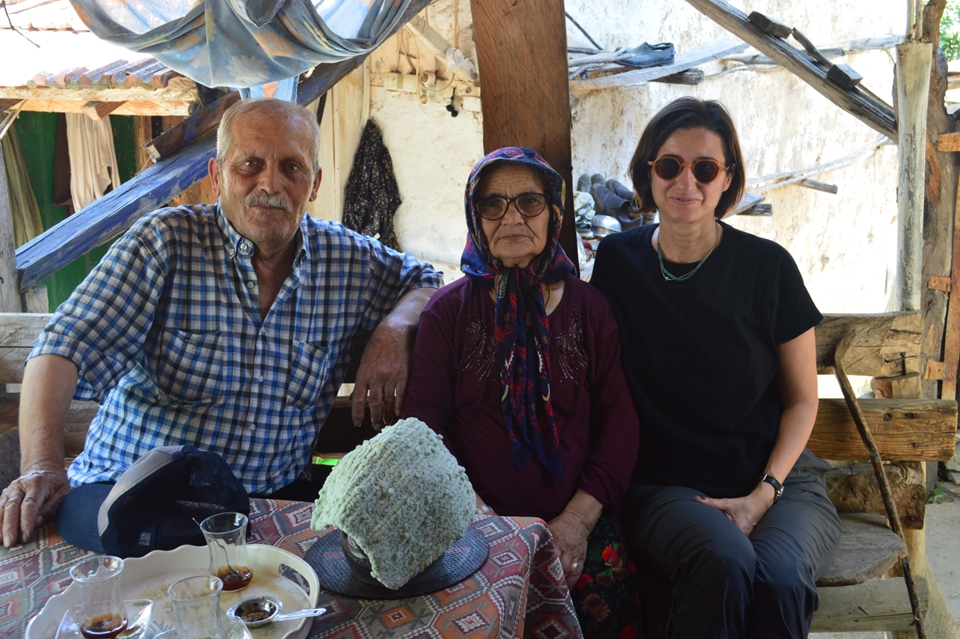
Associate Professor Güldem Baykal Büyüksaraç has been conducting research since 2017 on the theme of “Planning, Conservation, and Development in the Context of Natural and Cultural Heritage” regarding Köprülü Canyon National Park (KKMP), located within the borders of Antalya and Isparta provinces. She has carried out periodic fieldwork in the settlements within KKMP, including the villages of Altınkaya, Ballıbucak, Çaltepe, Değirmenözü, and Gaziler, as well as the neighborhoods of Beşkonak and Karabük in Manavgat district; the neighborhoods of Demirciler, Hasdümen, and Yeşilvadi in Serik district; and Beydilli village in Sütçüler district. The initial findings of the Taurus Mountains and KKMP Project were obtained as part of the British Institute at Ankara (BIAA) project Living Amid the Ruins: Archaeological Sites as Hubs of Sustainable Development for Local Communities in Southwest Turkey, supported by the British Academy Sustainable Development Programme. A blog post by Büyüksaraç on this project, titled Wrecked Trucks and Ancient Ruins in Rural Turkey, was published on the British Academy’s website. During the 2019–2020 academic year, Büyüksaraç continued her research as a Senior Fellow at Koç University’s Research Center for Anatolian Civilizations (ANAMED) with her study Landscapes in the Making: Claims to Land, Heritage, and Livelihood in Southwest Rural Turkey, undertaken within the scope of this project.
In June 2024, Büyüksaraç visited the villages of Kasımlar, Darıbükü, and Çukurca in the Sütçüler district, presenting her latest findings from the research at the conference Public Archaeology: Dialogues, Communities, and Social Challenges (October 17–18, 2024, Ankara), organized in collaboration with the British Institute at Ankara, University College London, and Bilkent University. Her presentation was titled “Destructive Developmentalism, Precarious Heritage, and Social Grief.”
G.B. Büyüksaraç, The Çal Baba Forest (Tokat) Project (2023–ongoing)
In August 2023, Büyüksaraç launched a new project titled Çal Baba Calls You to Act: An Action Research-in-the-Making on a Community-Conserved Forest following fieldwork in the Çal Baba area of Günçalı village (Tokat). The 2023 Günçalı Village – Çal Baba (Tokat) Fieldwork Report was published online on August 28, 2024.
Konya Lystra Ancient City Excavation
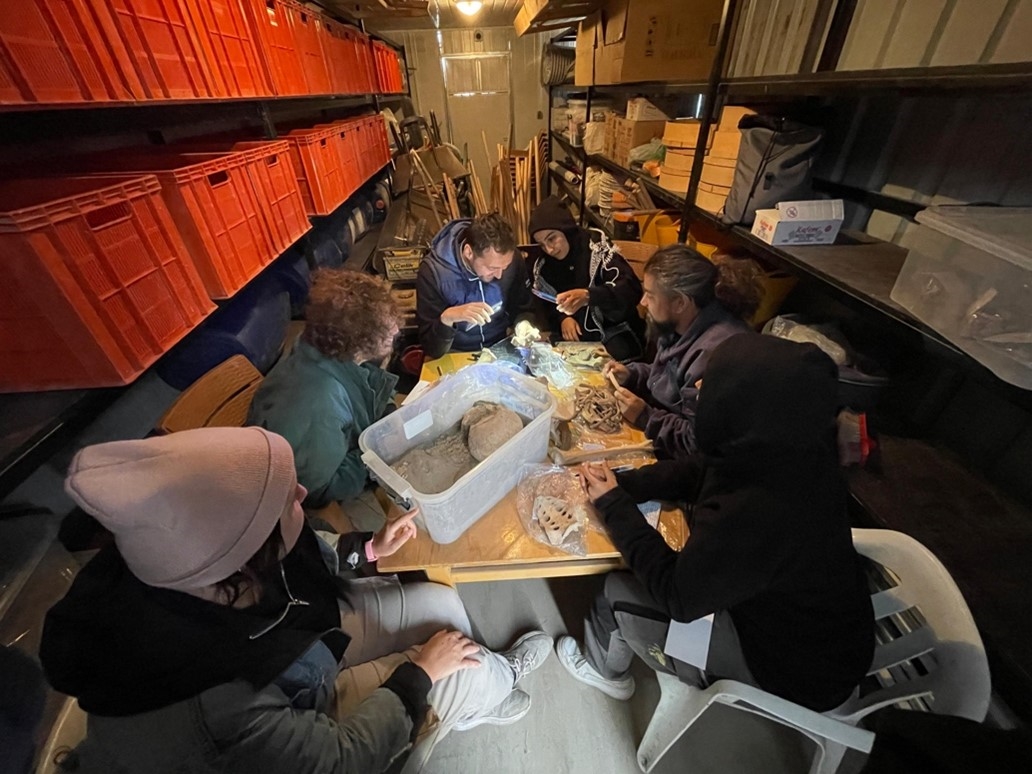
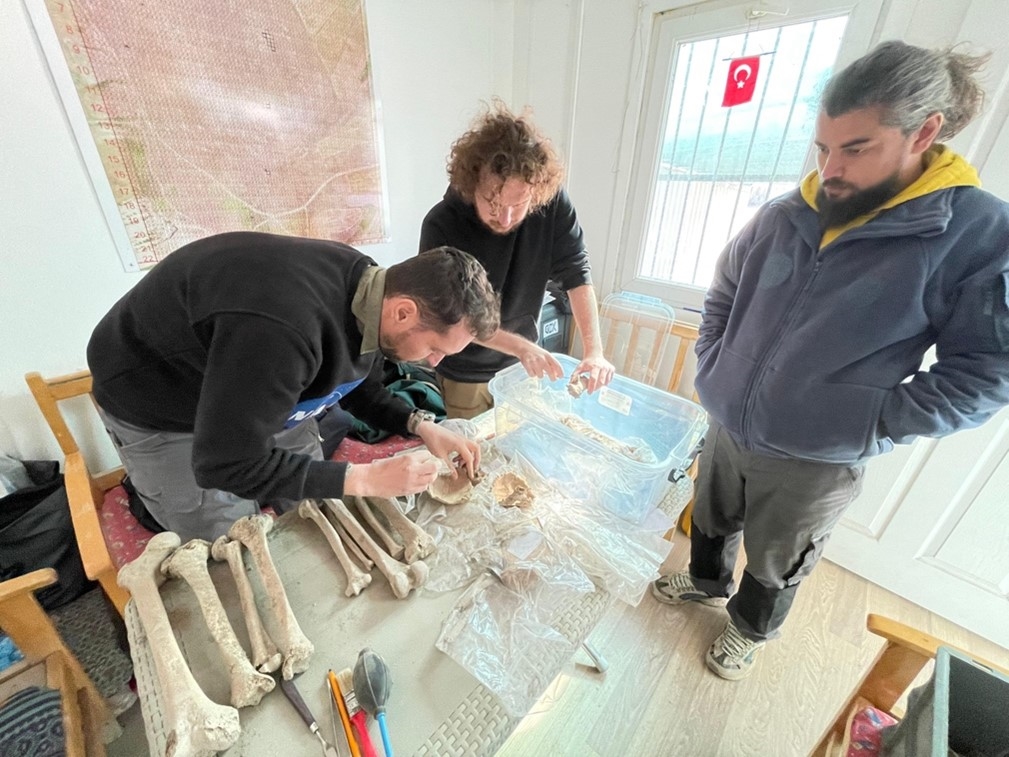
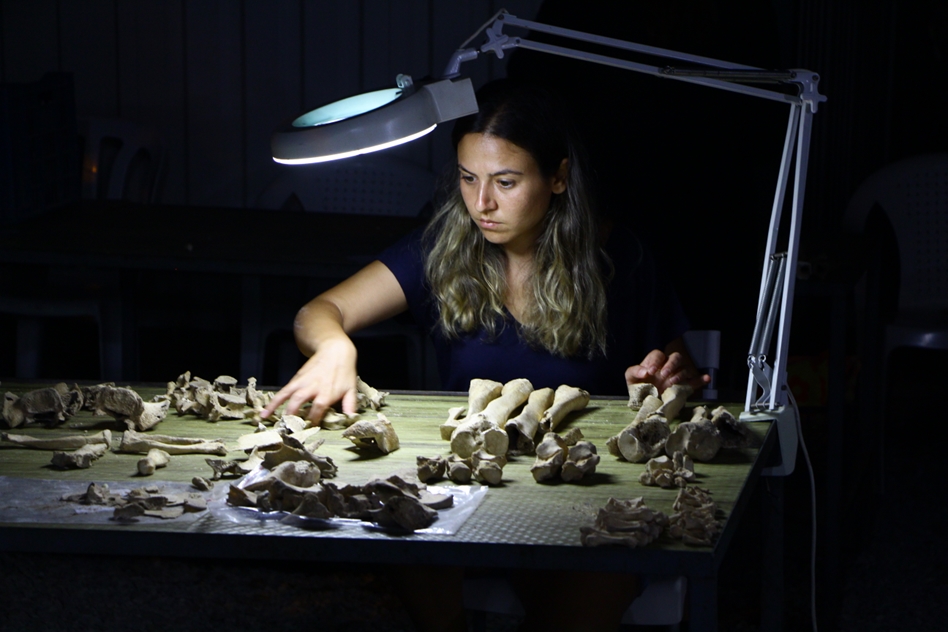
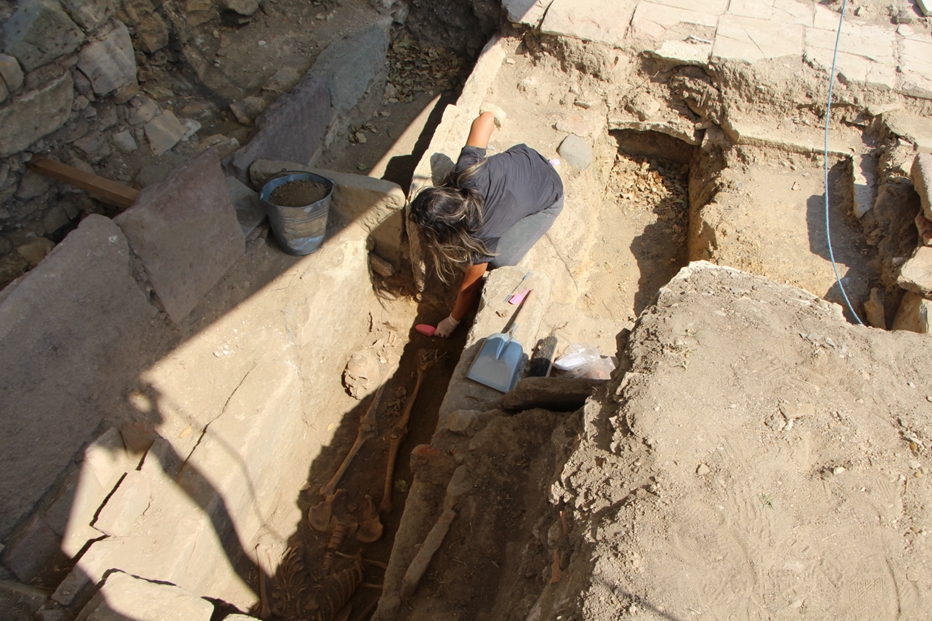
Associate Professor Sercan ACAR and our department undergraduate student Mahmut Esad KAYA participated in the excavation work under the leadership of Associate Professor İlker Mete MİMİROĞLU to examine the skeletal findings excavated from the ancient city of Konya Lystra.
Konya Karahöyük Excavation
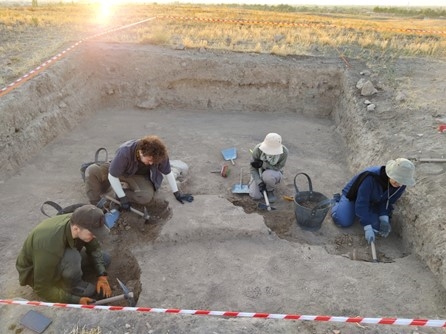
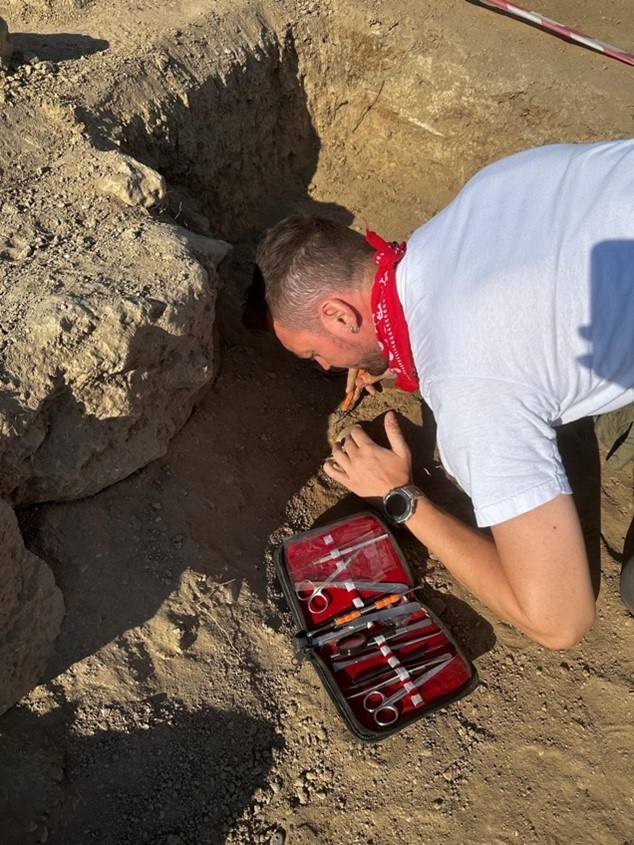
Prof. Fadime SUATA ALPASLAN and Assoc. Prof. Sercan ACAR participated in the excavation work in Karahöyük, located in the Meram district of Konya province, with our master's and undergraduate students, Betül YALÇIN, Görkem YILMAZ, Mahmut Esad KAYA, Sude Nur DİLMEN, and Gül Cennet Şimşek under the leadership of Assoc. Prof. Gonca DARDENİZ ARIKAN.
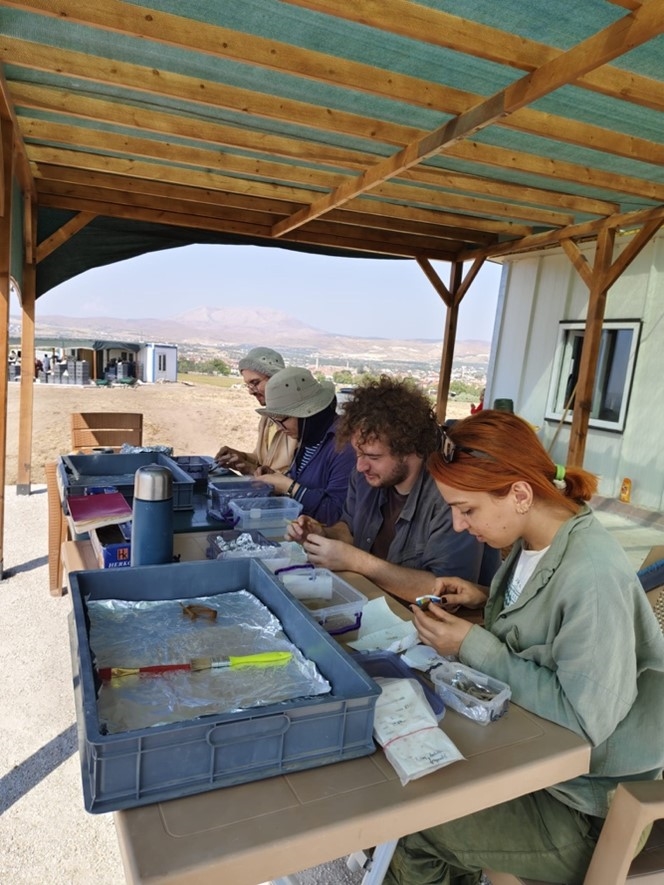
Sinekkaya Cave
Sinekkaya Cave (Orhaneli–Bursa): A Shelter and Interaction Area during the Paleolithic
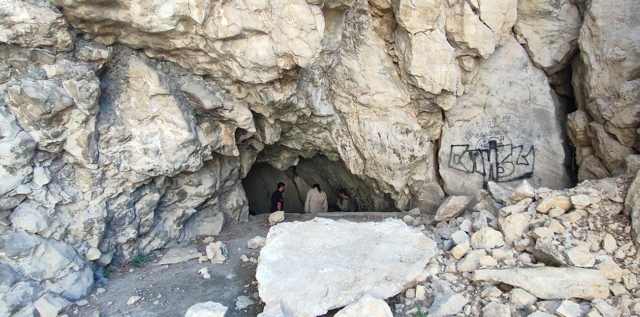
Sinekkaya Cave, located in the Orhaneli district of Bursa, represents one of the most significant discoveries contributing to our understanding of the Paleolithic of Northwest Anatolia. This region remained largely unknown archaeologically until the mid-2000s, and the cave provides unique data for reconstructing its Paleolithic record. Due to its position outside the main natural migration routes, Sinekkaya Cave is thought to have functioned as a shelter for human populations during various Paleolithic periods. Particularly during the dispersal of Homo sapiens over the last 100,000 years, the possibility that other human species, such as Neanderthals, may have retreated to or persisted in this area makes the cave a key site for research.
The physical characteristics of the cave significantly enhance its scientific potential. Formed along a fault line and characterized by a narrow entrance, the cave maintains a stable microclimate that remains approximately 10°C cooler than the external environment even during summer months. Such conditions are considered highly favorable for the preservation of ancient DNA (aDNA), increasing the potential for obtaining precise genetic data on the human species that inhabited the region.
Although the cave was discovered in 2009, it suffered severe damage due to illicit excavations between 2011 and 2013. Systematic scientific investigations began in 2023 under the direction of the Bursa Museum Directorate. As of 2025, excavations at Sinekkaya Cave are being carried out by a multidisciplinary team from the Department of Anthropology at Istanbul University, directed by Assoc. Prof. Dr. Berkay Dinçer, within the framework of an excavation authorized by presidential decree.
Preliminary analyses suggest that most of the stratigraphic deposits date to the late Middle Paleolithic (ca. 100,000–50,000 years ago) and contain a high density of lithic artifacts produced using the Levallois technique. The identification of rare regional finds, such as Gravettian points and Dufour bladelets, further increases the significance of the site, as these artifacts reflect the transition to the Upper Paleolithic.
Faunal remains recovered from the cave include now-extinct species such as cave lion, cave bear, cave hyena, and reindeer, indicating occupation during cold climatic conditions.
In conclusion, Sinekkaya Cave holds exceptional potential for generating important data on the Paleolithic, given its location between the Balkans and Northwest Anatolia and its position outside major migration corridors. The in situ stratigraphic layers documented in ongoing excavations, together with planned aDNA analyses, have the capacity to significantly refine our understanding of the regional chronology and paleoenvironment.
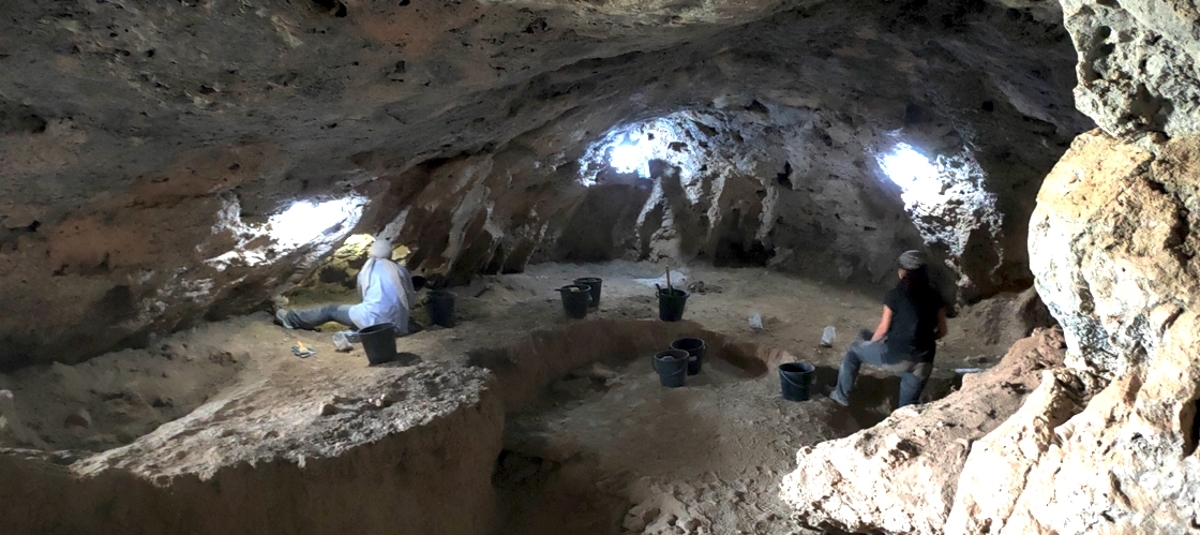
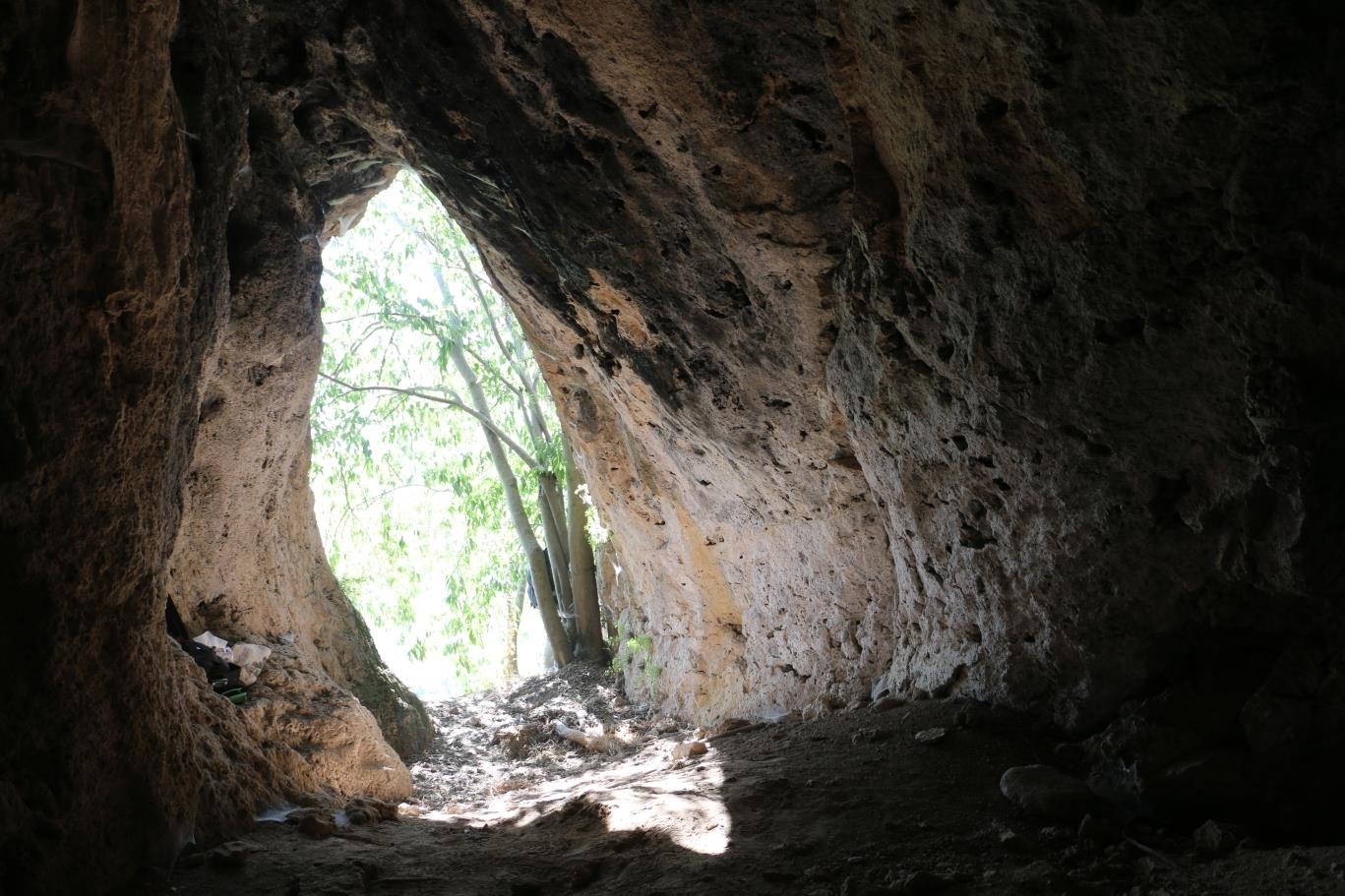
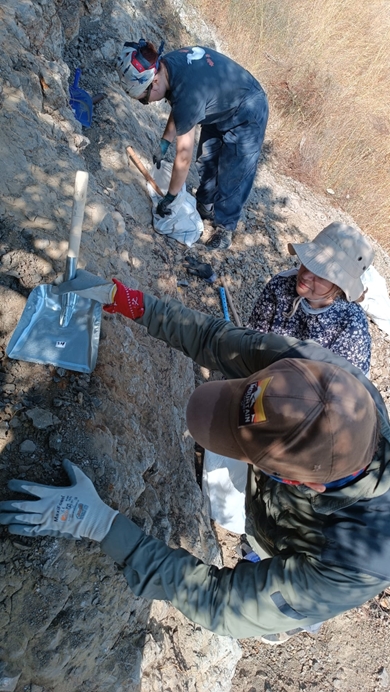
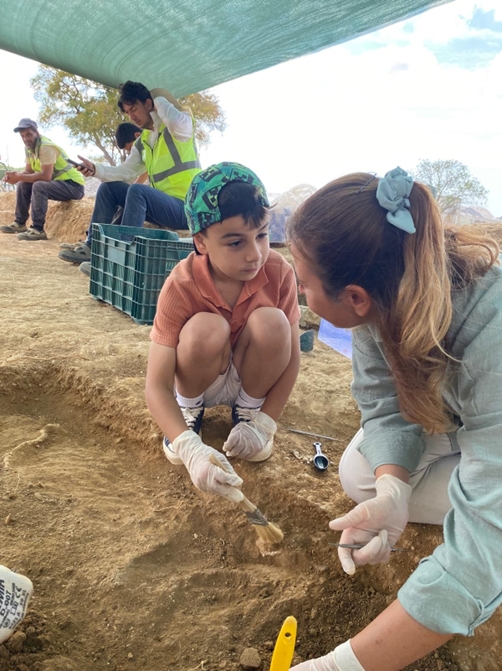
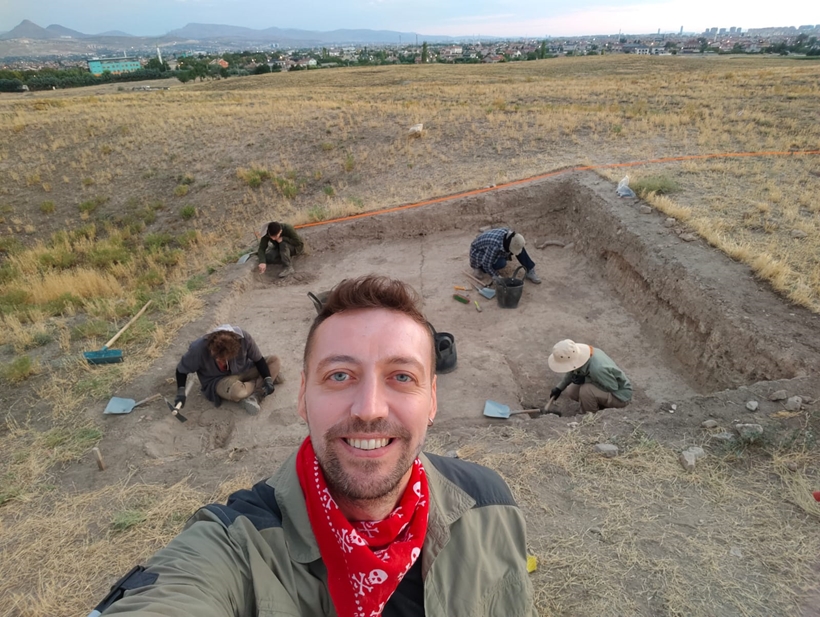
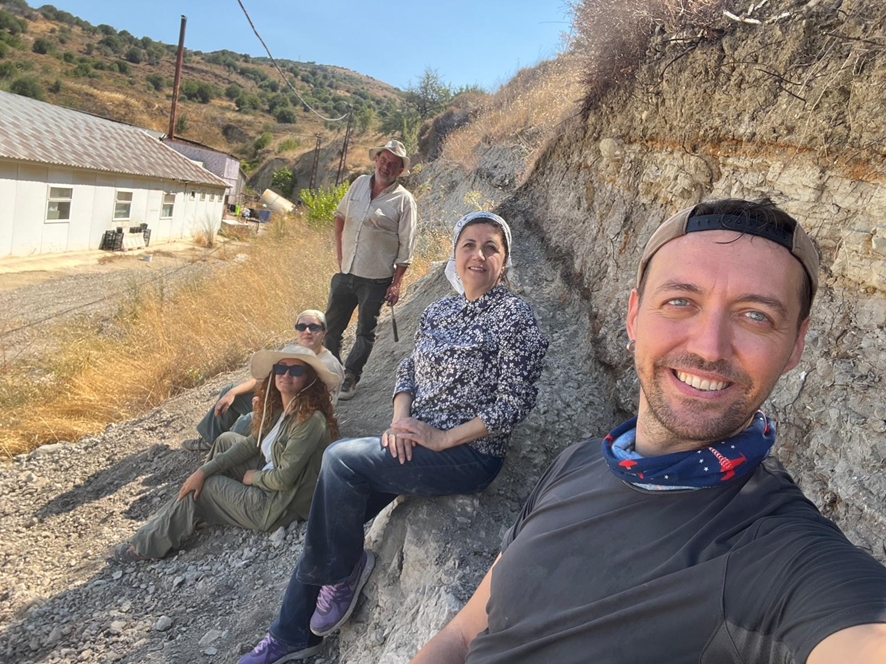
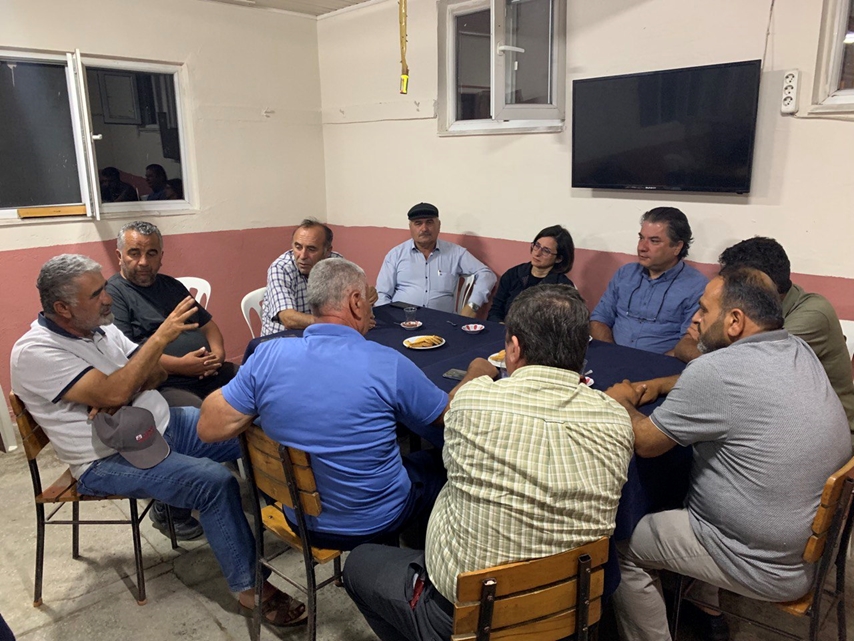
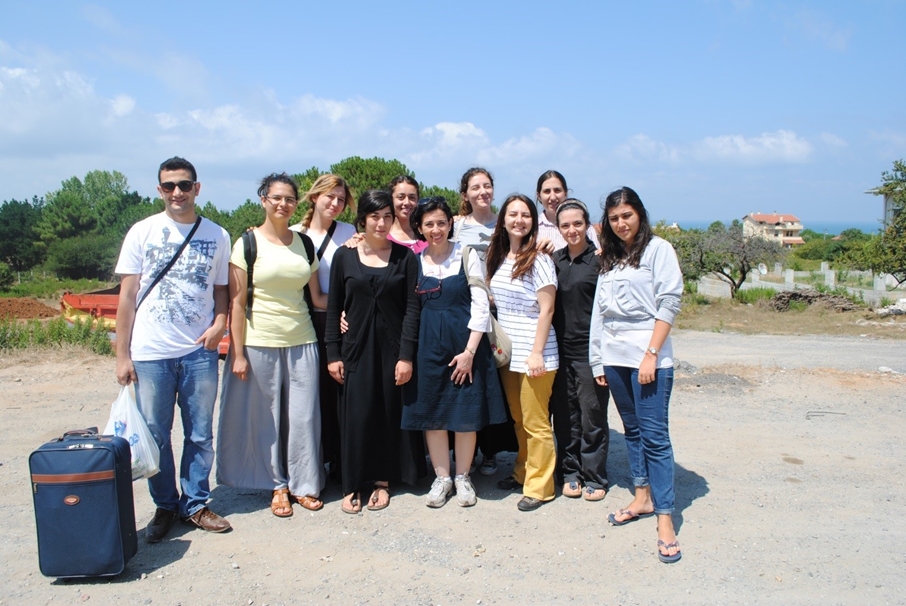
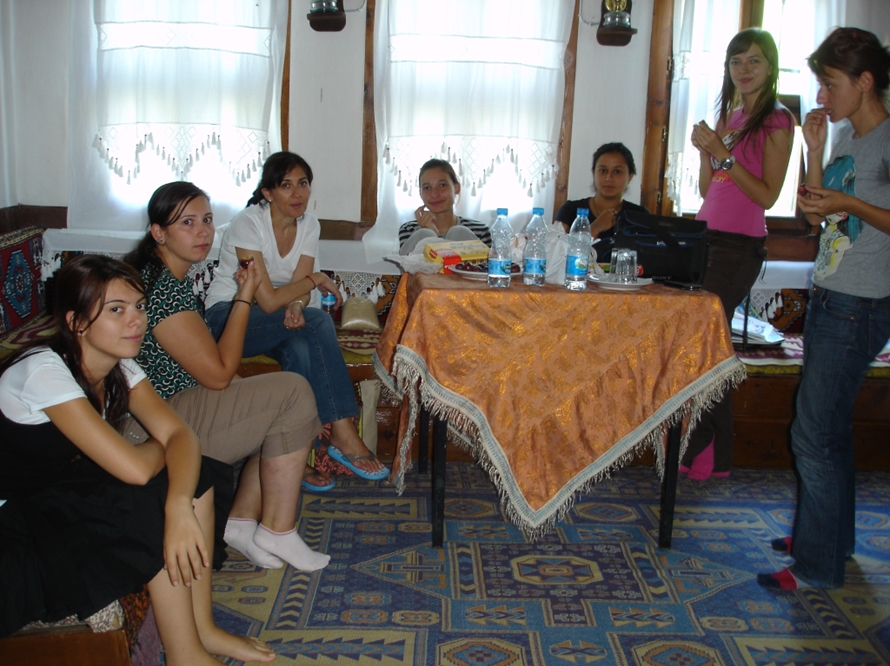
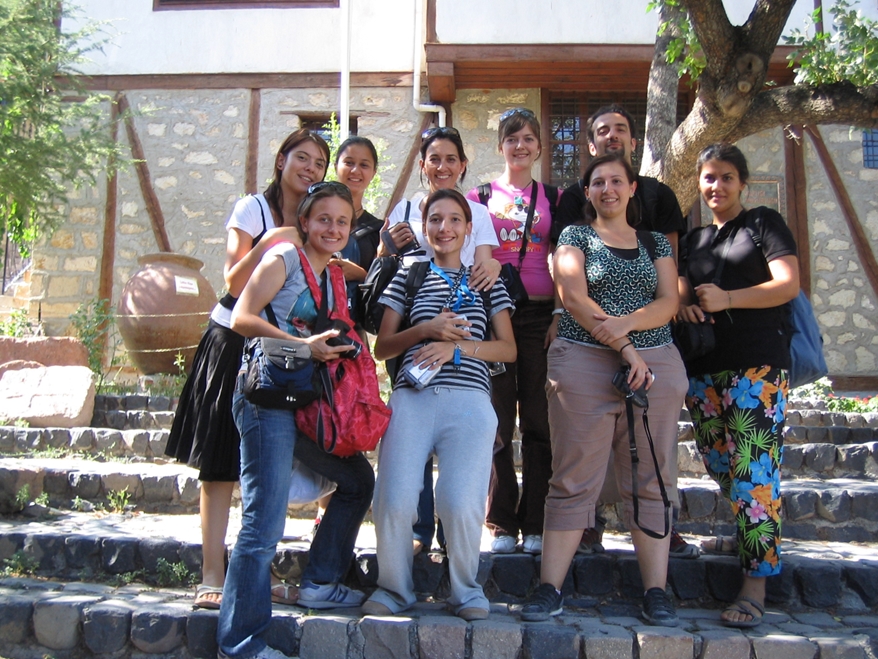
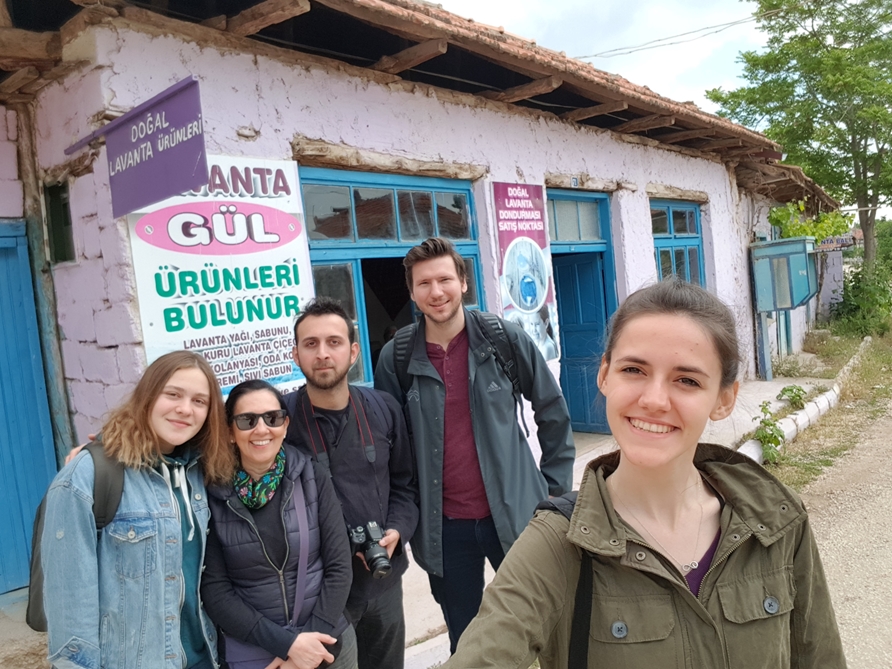
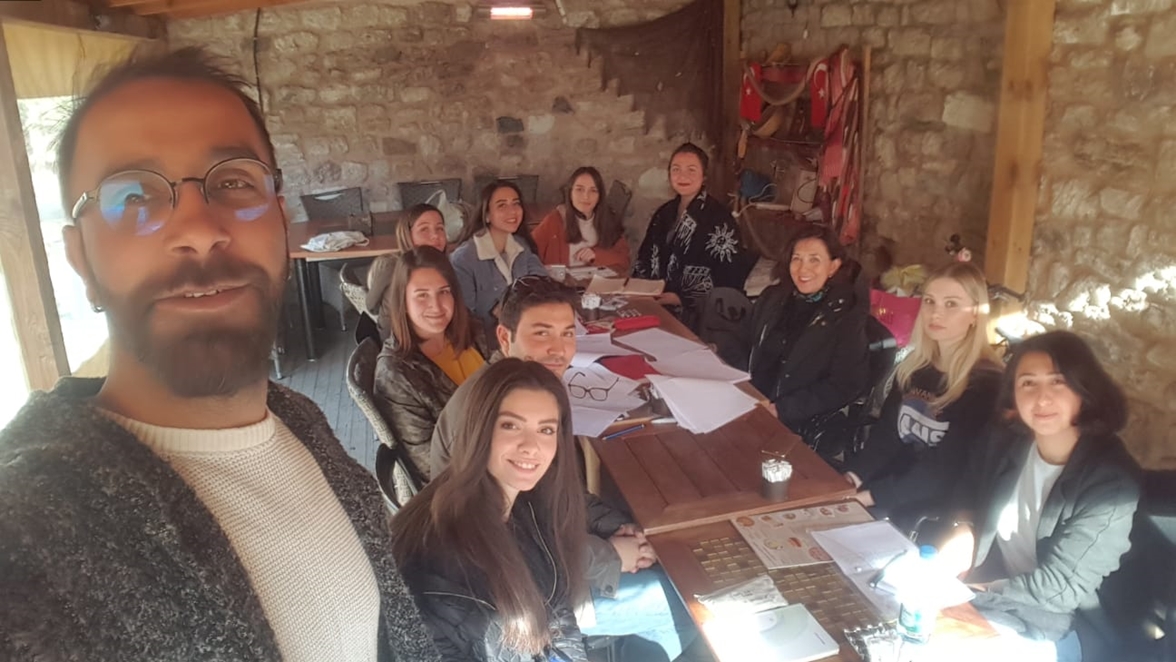
Photo Collection from Our Fieldwork
BAFPAL
Western Afyonkarahisar Paleolithic Survey (BAFPAL)
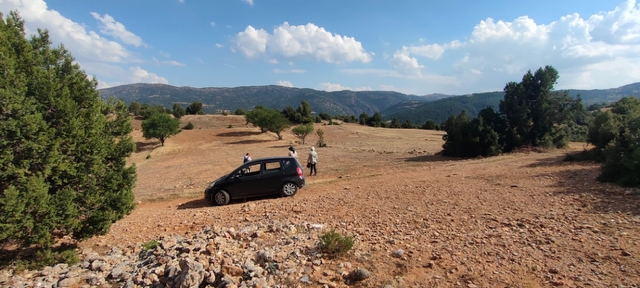
The Western Afyonkarahisar Paleolithic Survey (BAFPAL) was conducted between 2022 and 2025 by a team from the Department of Anthropology at Istanbul University, led by Assoc. Prof. Dr. Berkay Dinçer. Although Afyonkarahisar’s geostrategic position within Anatolia is of critical importance for understanding patterns of human mobility during the Paleolithic, no comprehensive or systematic research had been carried out in the region prior to 2022.
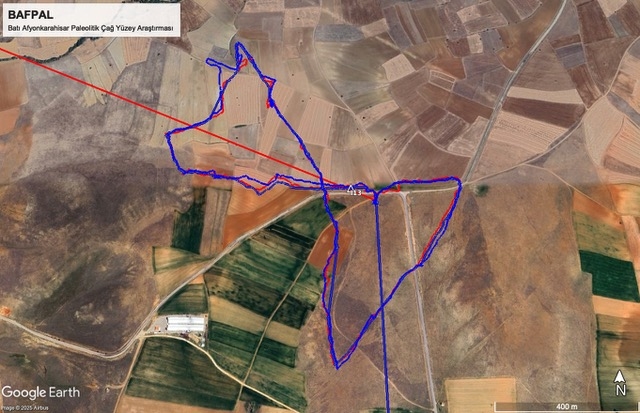
The core methodology of the project is based on random systematic sampling, applied for the first time in Turkey at this scale. Within this framework, a total of 73 observation points were designated at 10-kilometer intervals using the UTM coordinate system and were examined in a systematic and objective manner, without reliance on geomorphological or archaeological preconceptions. This approach enabled not only the documentation of positive archaeological evidence but also the generation of “absence data,” thereby allowing the construction of a statistically verifiable Paleolithic inventory for the region.
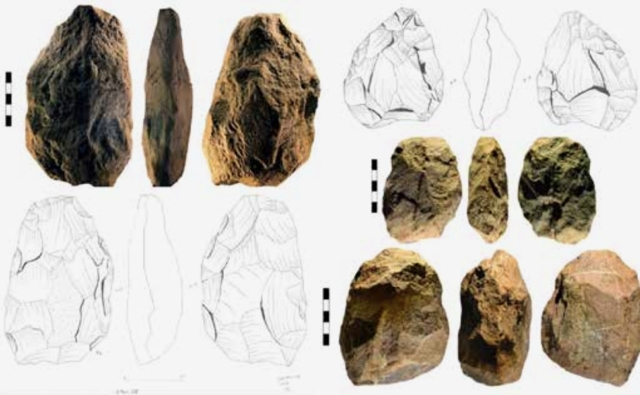
At the conclusion of four field seasons, direct access was achieved to 51 of the 73 planned observation points, and archaeological material was identified at 25 of the surveyed locations. Eleven of these sites were directly attributed to the Paleolithic period. From a technological perspective, the assemblages clearly demonstrate the presence of two main phases in the region: a Lower Paleolithic Acheulean technological tradition, represented by handaxes and cores documented at site D10, and a Middle Paleolithic lithic industry dominated by the Levallois technique, concentrated at sites such as E12, G12, I10, and F08. In particular, cosmogenic nuclide dating analyses conducted on materials from the I10 locality indicate an age of approximately 119,600 ± 17,900 years BP, providing a rare and direct archaeometric chronology for Middle Paleolithic occupations in Western Anatolia.
In conclusion, the BAFPAL project has documented raw-material-based technological diversity in the region through concrete and measurable scientific data. The systematic sampling strategy employed by the project clearly demonstrates its potential as an efficient, scalable, and objective methodological model for the development of Turkey’s national cultural inventory.
https://avesis.istanbul.edu.tr/arastirma-grubu/bafpal
Associate Professor Güldem Baykal Büyüksaraç has been conducting research since 2017 on the theme of “Planning, Conservation, and Development in the Context of Natural and Cultural Heritage” regarding Köprülü Canyon National Park (KKMP), located within the borders of Antalya and Isparta provinces. She has carried out periodic fieldwork in the settlements within KKMP, including the villages of Altınkaya, Ballıbucak, Çaltepe, Değirmenözü, and Gaziler, as well as the neighborhoods of Beşkonak and Karabük in Manavgat district; the neighborhoods of Demirciler, Hasdümen, and Yeşilvadi in Serik district; and Beydilli village in Sütçüler district. The initial findings of the Taurus Mountains and KKMP Project were obtained as part of the British Institute at Ankara (BIAA) project Living Amid the Ruins: Archaeological Sites as Hubs of Sustainable Development for Local Communities in Southwest Turkey, supported by the British Academy Sustainable Development Programme. A blog post by Büyüksaraç on this project, titled Wrecked Trucks and Ancient Ruins in Rural Turkey, was published on the British Academy’s website. During the 2019–2020 academic year, Büyüksaraç continued her research as a Senior Fellow at Koç University’s Research Center for Anatolian Civilizations (ANAMED) with her study Landscapes in the Making: Claims to Land, Heritage, and Livelihood in Southwest Rural Turkey, undertaken within the scope of this project.
In June 2024, Büyüksaraç visited the villages of Kasımlar, Darıbükü, and Çukurca in the Sütçüler district, presenting her latest findings from the research at the conference Public Archaeology: Dialogues, Communities, and Social Challenges (October 17–18, 2024, Ankara), organized in collaboration with the British Institute at Ankara, University College London, and Bilkent University. Her presentation was titled “Destructive Developmentalism, Precarious Heritage, and Social Grief.”
In August 2023, Büyüksaraç launched a new project titled Çal Baba Calls You to Act: An Action Research-in-the-Making on a Community-Conserved Forest following fieldwork in the Çal Baba area of Günçalı village (Tokat). The 2023 Günçalı Village – Çal Baba (Tokat) Fieldwork Report was published online on August 28, 2024.
Associate Professor Sercan ACAR and our department undergraduate student Mahmut Esad KAYA participated in the excavation work under the leadership of Associate Professor İlker Mete MİMİROĞLU to examine the skeletal findings excavated from the ancient city of Konya Lystra.
Prof. Fadime SUATA ALPASLAN and Assoc. Prof. Sercan ACAR participated in the excavation work in Karahöyük, located in the Meram district of Konya province, with our master's and undergraduate students, Betül YALÇIN, Görkem YILMAZ, Mahmut Esad KAYA, Sude Nur DİLMEN, and Gül Cennet Şimşek under the leadership of Assoc. Prof. Gonca DARDENİZ ARIKAN.
Sinekkaya Cave (Orhaneli–Bursa): A Shelter and Interaction Area during the Paleolithic
Sinekkaya Cave, located in the Orhaneli district of Bursa, represents one of the most significant discoveries contributing to our understanding of the Paleolithic of Northwest Anatolia. This region remained largely unknown archaeologically until the mid-2000s, and the cave provides unique data for reconstructing its Paleolithic record. Due to its position outside the main natural migration routes, Sinekkaya Cave is thought to have functioned as a shelter for human populations during various Paleolithic periods. Particularly during the dispersal of Homo sapiens over the last 100,000 years, the possibility that other human species, such as Neanderthals, may have retreated to or persisted in this area makes the cave a key site for research.
The physical characteristics of the cave significantly enhance its scientific potential. Formed along a fault line and characterized by a narrow entrance, the cave maintains a stable microclimate that remains approximately 10°C cooler than the external environment even during summer months. Such conditions are considered highly favorable for the preservation of ancient DNA (aDNA), increasing the potential for obtaining precise genetic data on the human species that inhabited the region.
Although the cave was discovered in 2009, it suffered severe damage due to illicit excavations between 2011 and 2013. Systematic scientific investigations began in 2023 under the direction of the Bursa Museum Directorate. As of 2025, excavations at Sinekkaya Cave are being carried out by a multidisciplinary team from the Department of Anthropology at Istanbul University, directed by Assoc. Prof. Dr. Berkay Dinçer, within the framework of an excavation authorized by presidential decree.
Preliminary analyses suggest that most of the stratigraphic deposits date to the late Middle Paleolithic (ca. 100,000–50,000 years ago) and contain a high density of lithic artifacts produced using the Levallois technique. The identification of rare regional finds, such as Gravettian points and Dufour bladelets, further increases the significance of the site, as these artifacts reflect the transition to the Upper Paleolithic.
Faunal remains recovered from the cave include now-extinct species such as cave lion, cave bear, cave hyena, and reindeer, indicating occupation during cold climatic conditions.
In conclusion, Sinekkaya Cave holds exceptional potential for generating important data on the Paleolithic, given its location between the Balkans and Northwest Anatolia and its position outside major migration corridors. The in situ stratigraphic layers documented in ongoing excavations, together with planned aDNA analyses, have the capacity to significantly refine our understanding of the regional chronology and paleoenvironment.
Western Afyonkarahisar Paleolithic Survey (BAFPAL)
The Western Afyonkarahisar Paleolithic Survey (BAFPAL) was conducted between 2022 and 2025 by a team from the Department of Anthropology at Istanbul University, led by Assoc. Prof. Dr. Berkay Dinçer. Although Afyonkarahisar’s geostrategic position within Anatolia is of critical importance for understanding patterns of human mobility during the Paleolithic, no comprehensive or systematic research had been carried out in the region prior to 2022.
The core methodology of the project is based on random systematic sampling, applied for the first time in Turkey at this scale. Within this framework, a total of 73 observation points were designated at 10-kilometer intervals using the UTM coordinate system and were examined in a systematic and objective manner, without reliance on geomorphological or archaeological preconceptions. This approach enabled not only the documentation of positive archaeological evidence but also the generation of “absence data,” thereby allowing the construction of a statistically verifiable Paleolithic inventory for the region.
At the conclusion of four field seasons, direct access was achieved to 51 of the 73 planned observation points, and archaeological material was identified at 25 of the surveyed locations. Eleven of these sites were directly attributed to the Paleolithic period. From a technological perspective, the assemblages clearly demonstrate the presence of two main phases in the region: a Lower Paleolithic Acheulean technological tradition, represented by handaxes and cores documented at site D10, and a Middle Paleolithic lithic industry dominated by the Levallois technique, concentrated at sites such as E12, G12, I10, and F08. In particular, cosmogenic nuclide dating analyses conducted on materials from the I10 locality indicate an age of approximately 119,600 ± 17,900 years BP, providing a rare and direct archaeometric chronology for Middle Paleolithic occupations in Western Anatolia.
In conclusion, the BAFPAL project has documented raw-material-based technological diversity in the region through concrete and measurable scientific data. The systematic sampling strategy employed by the project clearly demonstrates its potential as an efficient, scalable, and objective methodological model for the development of Turkey’s national cultural inventory.
https://avesis.istanbul.edu.tr/arastirma-grubu/bafpal